

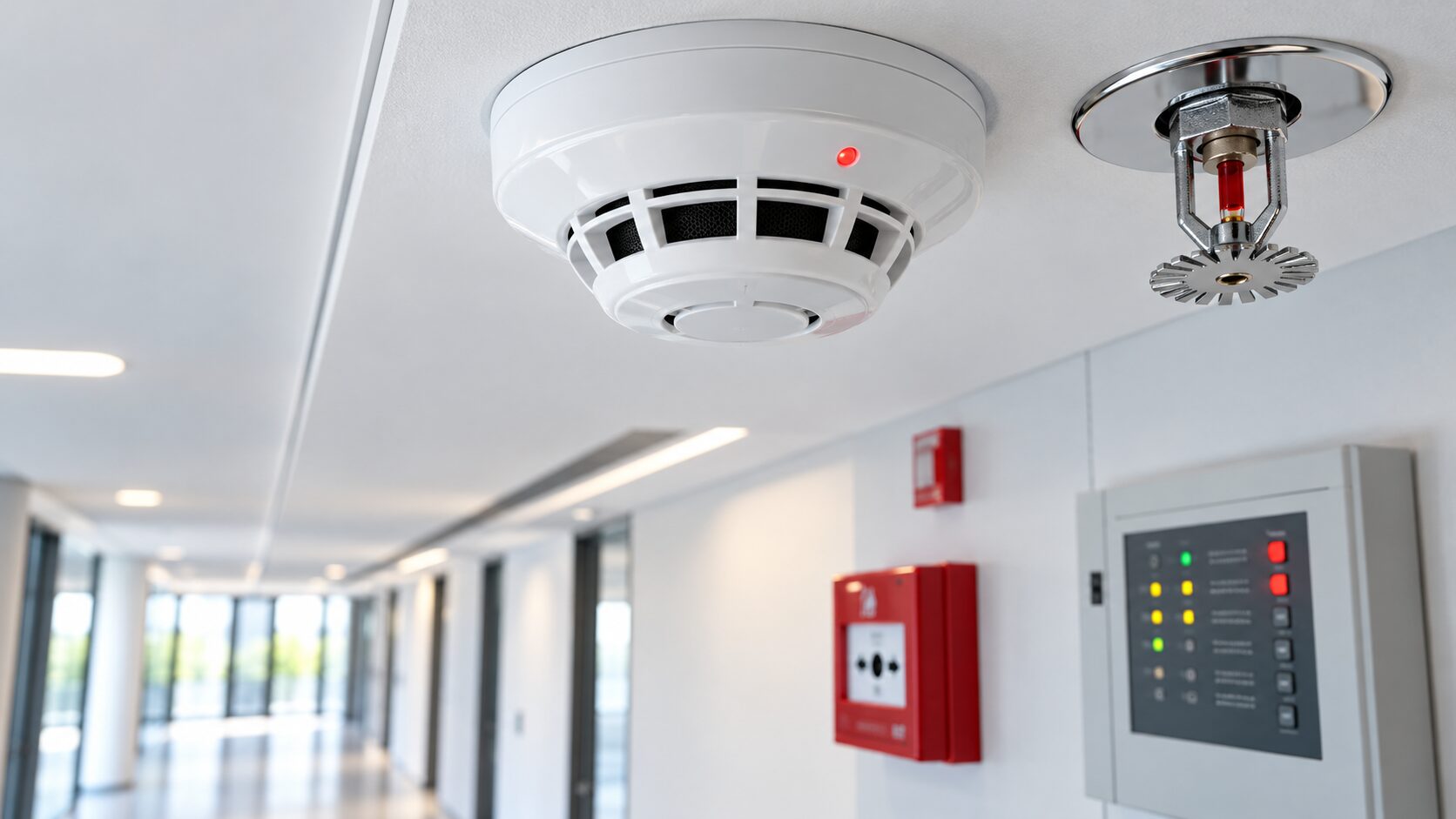
Fire detection and response: from sensor to protocol
A fire detection and alarm system is part of a broader safety process. Devices detect the conditions they are designed for, the system communicates a signal, and the organization follows established procedures to respond.
What happens when a detection system generates an alert? The signal reaches the control equipment or platform specified in the design. From there, the information should help responsible personnel identify the event and follow the relevant procedure. The exact operation depends on the installed system and its components.
Detectors are not selected in isolation. Their selection and placement relate to the space, environmental conditions, building use, and applicable requirements. The design should be completed by qualified personnel and account for manufacturer documentation and standards adopted by the relevant jurisdiction.
Clear notification is an important part of system operation. Depending on the installed system, staff need to know which zone reported the signal and which procedure applies. If several alerts occur at once, the information should be understandable to those responsible for decisions.
That is why procedures should assign responsibilities. They may establish who reviews the alert, who is notified, how the situation is communicated, and which actions should follow. The exact steps depend on the facility, its emergency plans, and applicable requirements.
An alert requires attention and follow-up. If it is determined not to indicate a fire, the organization should document the event and have qualified personnel investigate the cause. Repeated signals may prompt a review of the detector, its environment, the configuration, or nearby activities.
Technical decisions should not be based solely on reducing alerts. Changing sensitivity, relocating equipment, or disconnecting components may affect the system’s intended operation. Any modification should be assessed against the design, manufacturer instructions, and local requirements.
Inspection, testing, and maintenance help assess system condition over time. The 2025 edition of NFPA 72 covers fire alarm and signaling systems, including inspection, testing, and maintenance. Applicable requirements may vary according to local adoption and jurisdictional amendments.
After a test, drill, or event, reviewing the full sequence can reveal opportunities for improvement: whether the signal was received, whether it reached the intended person, and whether staff knew the procedure. The review should lead to documented actions consistent with technical requirements.
Detection is a system function; response also depends on organizational preparedness. When design, notification, procedures, and maintenance are coordinated, teams have a clearer basis for acting on an alert.
Leave a Reply