

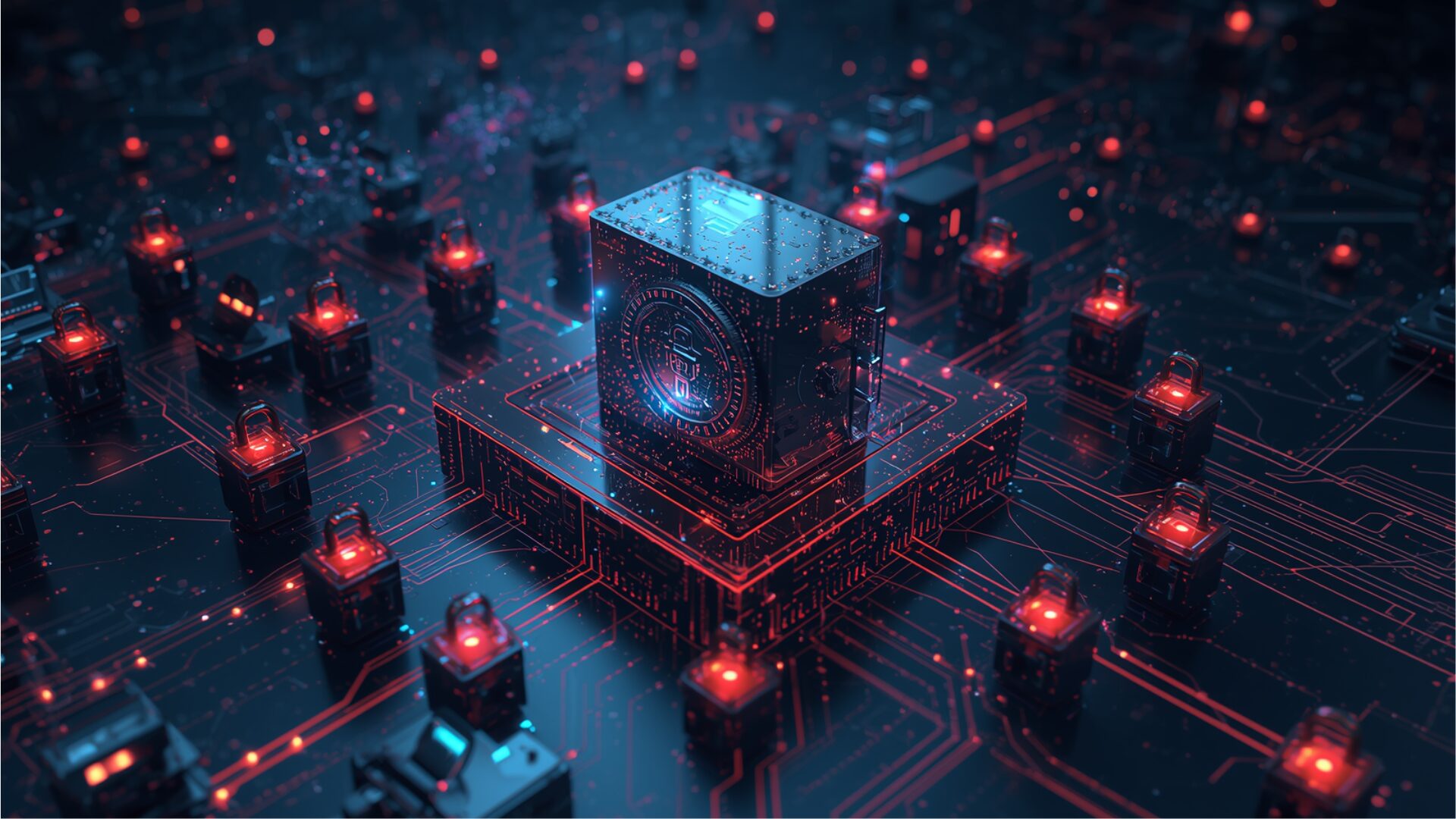
The New Frontier of Security: Protecting Assets You Cannot See
For decades, corporate security focused primarily on protecting physical assets. Perimeter fencing, access control systems, surveillance cameras, and security personnel served as the primary tools for reducing risk. While these elements remain essential, today’s environment demands a much broader perspective.
Modern organizations increasingly depend on assets that are not visible to the naked eye. Information, communication networks, digital systems, cloud platforms, and technology infrastructure have become indispensable components of daily operations. In many cases, the value of these assets exceeds that of traditional physical infrastructure.
This transformation has changed the way organizations approach security. Protecting a building without protecting the technology that keeps it operational is no longer enough. A facility may remain physically secure while still experiencing significant disruptions caused by failures within its technology infrastructure.
Connectivity provides a clear example of this evolution. From video surveillance and access control systems to business applications, IP telephony, and collaboration tools, many critical functions depend on networks that must remain available at all times. A connectivity outage can simultaneously affect multiple areas of an organization.
Data centers have also become strategic assets. Whether located on-premises or distributed across hybrid and cloud environments, they serve as the foundation for applications, databases, and critical business processes. Their availability directly impacts operational continuity.
Industries such as manufacturing, logistics, healthcare, and retail are becoming increasingly dependent on technology. Automated processes, inventory management systems, monitoring platforms, and enterprise applications all require reliable infrastructure to function efficiently.
As organizations continue to digitize, their exposure to risk also increases. Every connected device, integrated platform, and new application creates opportunities for greater productivity while introducing new challenges for infrastructure management and protection.
For this reason, modern security requires a converged approach. Teams responsible for physical protection, technology infrastructure, and operational continuity must work together to ensure systems remain available, secure, and resilient.
Resilience has become a central concept within this strategy. Beyond preventing incidents, organizations must develop the ability to maintain operations when unexpected events occur. This requires environments designed to respond, recover, and continue operating under adverse conditions.
The growth of nearshoring and the expansion of industrial parks throughout Mexico have accelerated this trend. Companies establishing new operations require technology infrastructures capable of supporting international standards for security, availability, and performance.
In this environment, security is no longer limited to protecting physical facilities. Its scope now extends to safeguarding information, communications, and the systems that support business operations.
The new frontier of security is precisely that: identifying, protecting, and managing the assets that may not always be visible, but have become essential for business continuity and growth.
Leave a Reply