

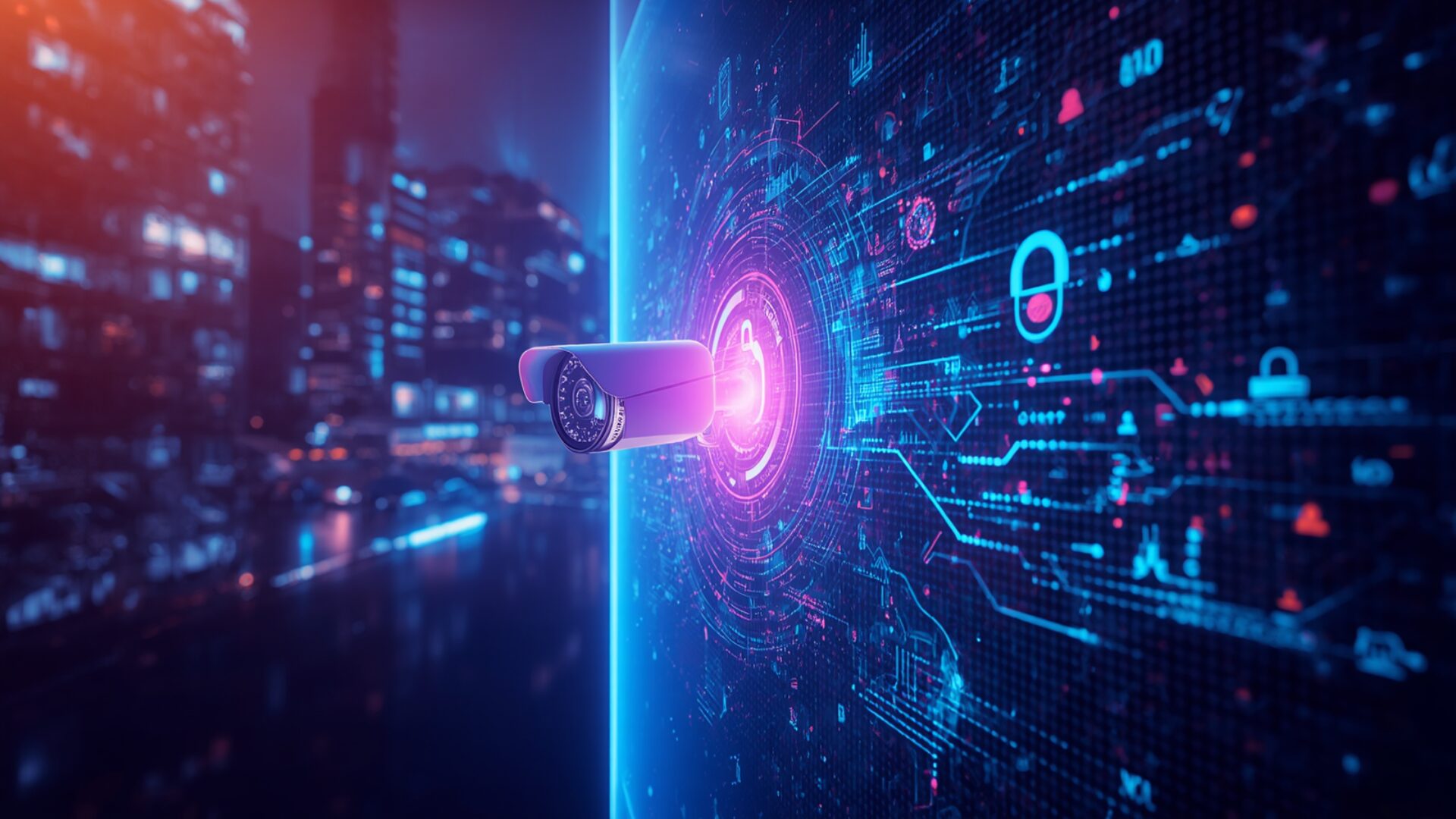
Physical Security and Cybersecurity: Two Fronts, One Strategy
For many years, physical security and cybersecurity were treated as separate disciplines. One team focused on protecting people, facilities, and assets, while another managed networks, servers, and information systems. Digital transformation has fundamentally changed that reality.
Today, many of the technologies used to secure facilities are connected to the organization’s network. Video surveillance cameras, access control systems, alarm panels, fire detection devices, and smart intercoms are all part of the enterprise technology infrastructure and require the same level of protection as any other connected device.
This evolution has introduced new challenges. Installing reliable technology is no longer enough. Organizations must also ensure these systems operate securely within their IT environment. A poorly configured, outdated, or improperly connected device can become a potential vulnerability.
As a result, Physical Security, IT, and Operations teams are increasingly working together. Sharing information, establishing common policies, and planning projects collaboratively helps reduce risks while strengthening the organization’s overall resilience.
Convergence also improves day-to-day operations. When physical security systems are properly integrated with IT infrastructure, organizations gain centralized management, real-time visibility, and faster response capabilities.
Business continuity is another major advantage. Well-designed technology infrastructure helps organizations not only prevent incidents but also maintain operations during system failures, attempted intrusions, or unexpected disruptions.
Selecting trusted manufacturers and enterprise-grade platforms is equally important. Solutions that receive continuous security updates and comply with international standards provide stronger long-term protection and reduce operational risk.
However, technology alone cannot guarantee security. Network architecture, segmentation, administrative policies, and ongoing maintenance are all essential components of a comprehensive protection strategy.
This is where an experienced technology integrator becomes a valuable partner. Beyond deploying equipment, an integrator understands how every system interacts within the organization and designs infrastructure that balances security, compatibility, and operational efficiency.
The convergence of physical security and cybersecurity is no longer simply an emerging trend. It has become an essential strategy for organizations seeking stronger protection, greater resilience, and technology infrastructure prepared for future challenges.
At Mopec Security, we help organizations design and implement integrated technology ecosystems where physical security and IT infrastructure work together to protect people, assets, and business operations.
Leave a Reply