

What Really Makes a Data Center Secure
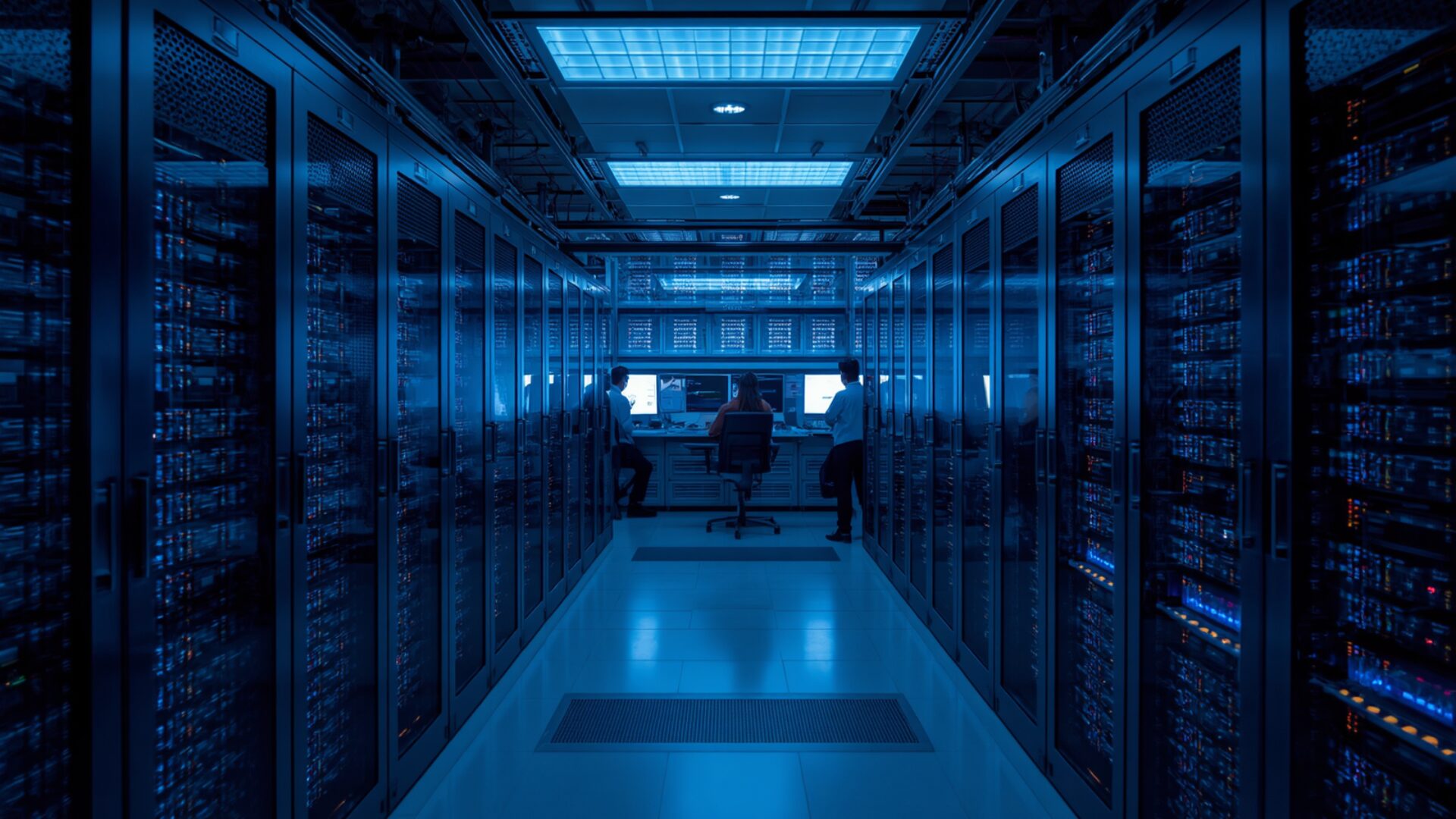
Data centers have become some of the most important infrastructures in the modern world. Although most people will never physically enter one, nearly everyone depends on them every day. Digital platforms, financial operations, communications, enterprise services, and cloud storage all rely on these facilities. That is why securing a data center requires a very different approach from securing a conventional building.
The first major difference is that a data center does not simply protect a physical space. It protects operational continuity. Even a minor interruption can impact hundreds or thousands of users simultaneously. In this environment, security is no longer only preventive; it becomes an essential component of business stability.
Access control is one of the strictest elements within these facilities. Entry is typically divided into multiple authorization levels, biometric validation, and automated registration processes. In many cases, even internal personnel cannot move freely throughout all areas. Every door, movement, and duration of stay is documented and monitored.
Security vestibules, or mantraps, are also common. These systems are designed to prevent multiple individuals from entering simultaneously and to reduce the risk of unauthorized access. While these technologies are often associated with highly critical infrastructure, they are increasingly used in industries where information protection and operational continuity are priorities. The principle is straightforward: control who enters and how they enter.
Video surveillance within data centers also operates under far stricter standards. The objective is not simply recording events, but maintaining complete traceability of operations and movements within sensitive environments. Systems typically include redundancy, secure storage, and continuous monitoring to guarantee constant availability.
Environmental protection is another fundamental component. Servers generate large amounts of heat and require highly controlled conditions to function properly. A temperature or humidity issue can affect critical equipment within minutes. That is why environmental monitoring systems are integrated directly into the security infrastructure.
Fire detection deserves special attention. In a data center, waiting until smoke becomes visible is already too late. Many facilities use aspirating smoke detection systems capable of identifying microscopic particles before an incident escalates. The goal is to act before equipment or operations are compromised.
Suppression systems also work differently in these environments. Water can severely damage electronic infrastructure, so many facilities rely on clean-agent suppression systems designed to extinguish fires without harming sensitive equipment. This allows incidents to be contained while preserving operational integrity.
Redundancy is another cornerstone of data center security. Power systems, connectivity, storage, and monitoring are often duplicated to minimize single points of failure. The objective is not only responding to emergencies, but ensuring that operations continue even under adverse conditions. Continuous availability is built directly into the design.
In recent years, the convergence between physical security and cybersecurity within data centers has accelerated significantly. Remote access, monitoring platforms, and connected systems require digital protections just as robust as the facility’s physical defenses. Today, both disciplines operate almost inseparably.
As businesses continue relying more heavily on digital services, the importance of data centers will only continue growing. Alongside that growth comes a greater need for infrastructures capable of operating with high levels of protection, resilience, and operational stability. Security in this environment cannot be improvised.
Behind every data center lies a single objective: avoid interruption at all costs. That is why every layer of protection, from a door to an early fire detection system, forms part of a broader strategy designed to keep operations running continuously and reliably.
Leave a Reply