

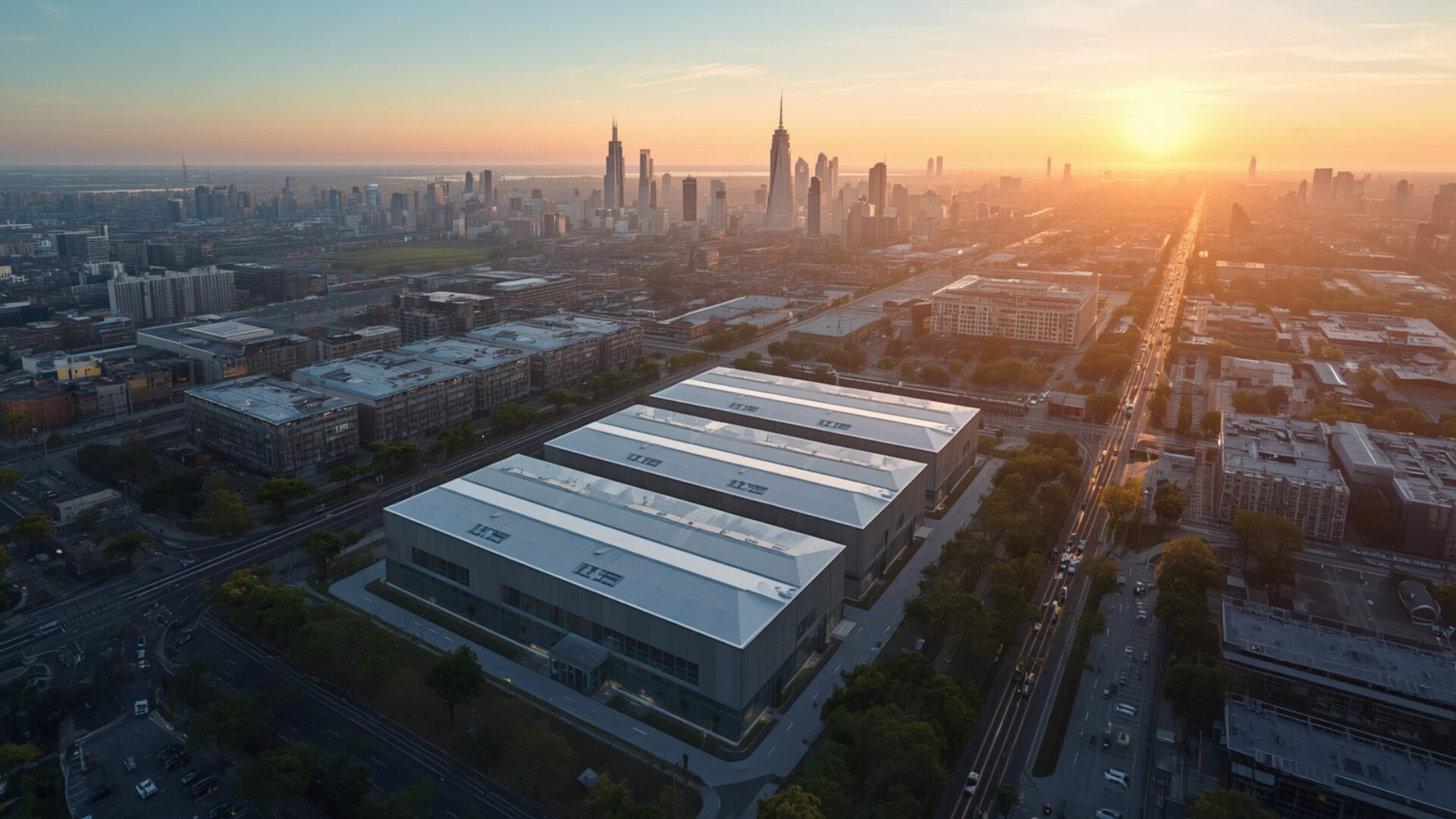
Secure Data Centers: The Invisible Infrastructure That Keeps Business Running
When organizations think about the most important elements of their operations, they often mention people, processes, machinery, or facilities. Yet there is another type of infrastructure that rarely receives attention outside of IT departments, despite supporting a significant portion of daily business activities: the data center.
Simply put, a Data Center is the environment where the systems, applications, databases, and services that enable business operations reside. From email communications and inventory management to financial systems, video surveillance, and access control, many critical functions depend on resources hosted within this infrastructure.
The growing pace of digital transformation has significantly increased this dependency. Processes that could once be performed manually now rely on digital platforms, continuous connectivity, and constant information exchange. As a result, system availability has become a critical component of business continuity.
When a Data Center experiences an interruption, the effects often spread rapidly across multiple areas of an organization. Depending on the nature of the incident, production processes, internal communications, customer service, logistics operations, and even security systems may be affected.
For this reason, availability remains one of the fundamental principles in critical infrastructure design. Modern data centers incorporate mechanisms that help reduce the risks associated with power failures, cooling issues, network interruptions, and other unexpected events that could impact operations.
Power infrastructure plays a particularly important role in this strategy. An unstable electrical supply can lead to data loss, service disruptions, and damage to critical equipment. Backup power systems and redundancy mechanisms are commonly implemented to maintain operations during contingencies.
Cooling systems are equally important. Technology equipment generates heat continuously and requires controlled environmental conditions to function properly. Temperature-related issues can impact system performance and, in severe cases, lead to significant outages.
Connectivity is another essential component. A Data Center may contain state-of-the-art servers, but if communication with users, branch offices, or external platforms is lost, much of its operational value disappears. Reliable networks and communication links are therefore integral to a resilient infrastructure.
Physical security is another aspect that is often overlooked. Data centers house highly valuable assets and require controls that help manage access, monitor activity, and protect critical areas from both internal and external risks.
As technology environments evolve, cybersecurity becomes increasingly important. Protecting servers, applications, databases, and networks is now a priority for organizations of all sizes. Infrastructure must be designed with both physical and digital threats in mind.
Today, many businesses operate within hybrid environments that combine on-premises infrastructure with cloud services. While this approach offers flexibility and scalability, it also requires careful management to ensure appropriate levels of availability, protection, and performance.
Although rarely visible to end users, the Data Center has become one of the most important assets within a modern organization. Its ability to remain available, secure, and prepared to support business needs directly influences productivity, operational continuity, and long-term growth.
Leave a Reply