

Beyond Detection: How Fire Systems are Evolving Towards Active Prevention
Fire protection has historically been a reactive system. For years, the priority was to detect an incident as quickly as possible and activate mechanisms to control it. However, today’s environment demands a different approach, where prevention plays a central role.
In industrial, corporate, and commercial environments, the impact of a fire can be critical. It involves not only material damage but also operational disruptions, risks to personnel, and significant financial losses. For this reason, anticipating risks has become essential.
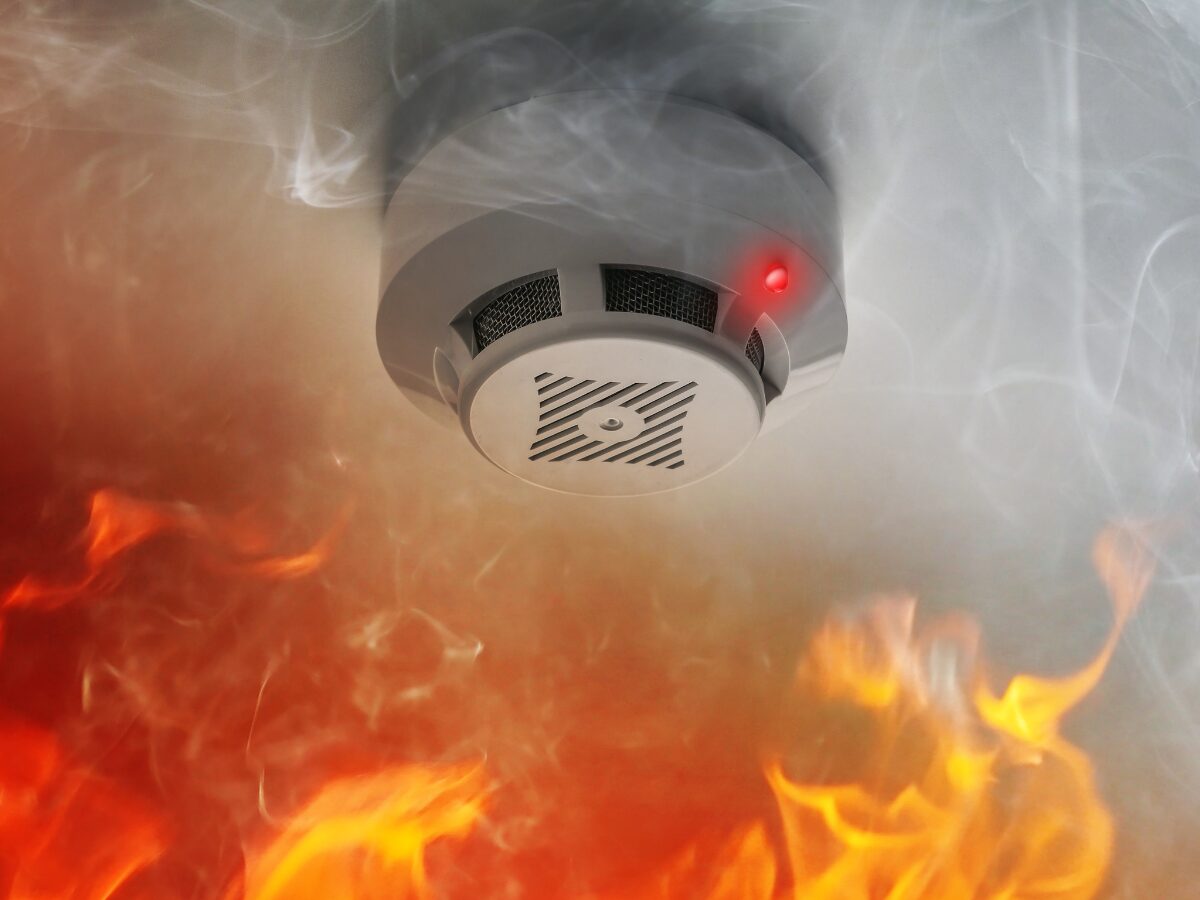
Modern systems have evolved to provide much more precise detection capabilities. Advanced sensors can identify minimal changes in temperature, smoke, or airborne particles, allowing action to be taken at very early stages.
Furthermore, integration with intelligent platforms has enabled these systems not only to detect but also to analyze data in real time. This makes it possible to identify patterns that could lead to an incident before it occurs.
Automation is another major advancement in this field. Upon detection, systems can immediately activate protocols such as shutting valves, triggering sprinklers, or evacuating specific areas. This reduces response times and minimizes the impact of incidents.
Integration with other security systems is also key. By connecting fire detection with video surveillance or access control, organizations can coordinate more efficient responses and gain better real-time visibility of the situation.
In this context, compliance with international standards and regulations is essential. These frameworks ensure that systems are designed and operated according to best practices, providing an adequate level of protection.
However, one of the main risks remains the lack of maintenance. A system that is not regularly inspected may fail at the most critical moment, leading to serious consequences that could have been prevented.
Personnel training is equally important. Technology alone is not enough if people do not know how to respond to emergencies or interpret system alerts.
For this reason, modern solutions must adopt a comprehensive approach that includes design, installation, maintenance, and training to ensure effective protection.
The shift toward active prevention will continue to grow, driven by the need to reduce risks and ensure operational continuity.
In conclusion, fire protection systems are evolving into intelligent solutions that not only respond but also anticipate and prevent incidents, protecting both people and assets.
Leave a Reply