

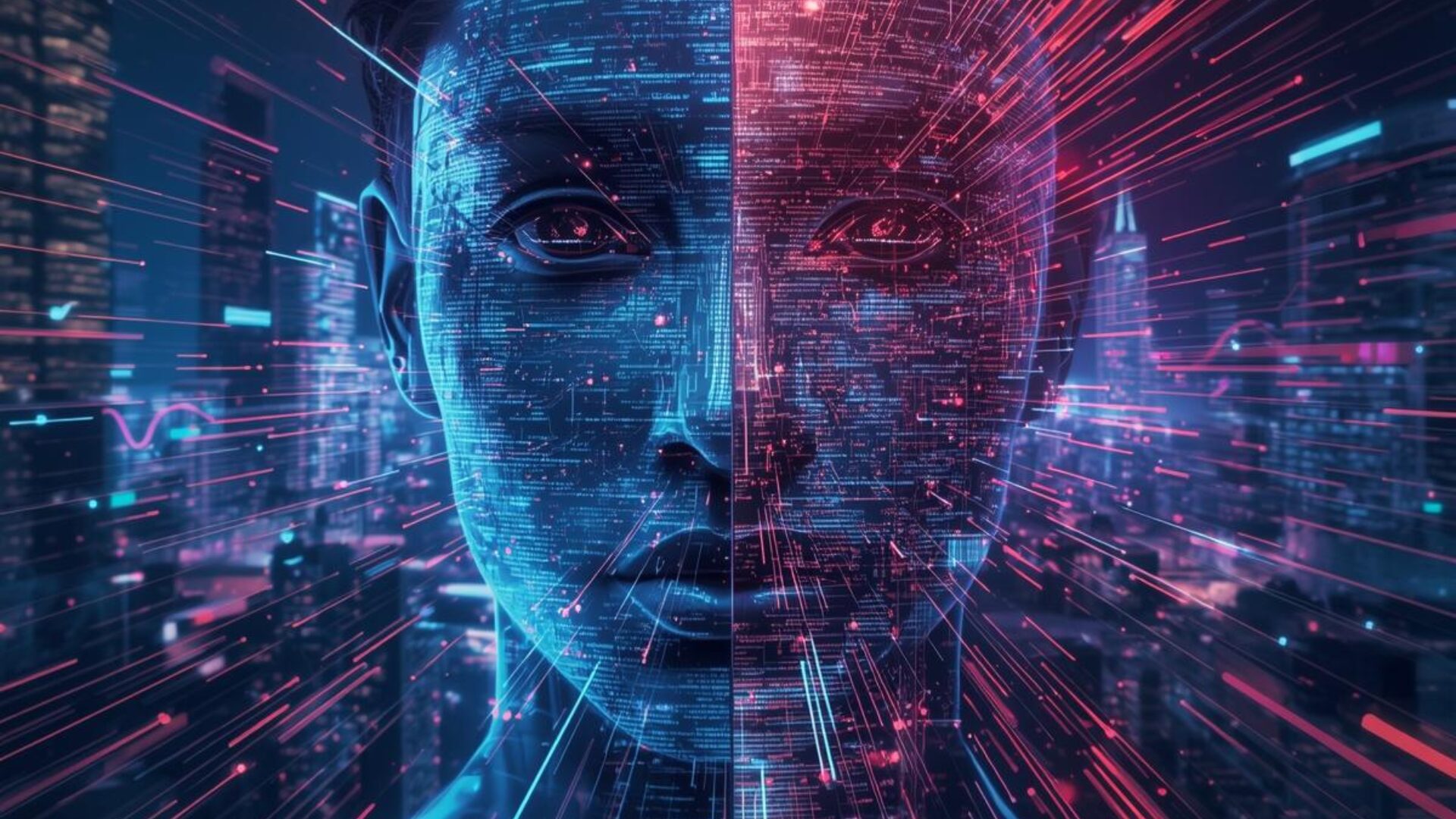
Data-Driven Security: Advanced Analytics and Digital Twins in 2026
Electronic security is entering a new stage where data becomes the most valuable asset for decision-making. In 2026, protecting facilities is no longer limited to reacting to incidents, but to understanding what happens at every point of operation, analyzing it in real-time, and anticipating risk scenarios before they occur. The information generated by cameras, sensors, and integrated systems is now the foundation of truly intelligent security.
For years, security systems generated large volumes of data that few organizations knew how to leverage. Today, advanced analytics allows this constant flow of information to be transformed into actionable knowledge, capable of revealing patterns, trends, and behaviors that previously went unnoticed. This completely changes how risk is managed.
Artificial intelligence is the engine driving this transformation. Through machine learning algorithms, systems can identify complex anomalies, correlate seemingly isolated events, and generate context-based alerts, not just based on movement or presence. This significantly reduces false alarms and increases the effectiveness of the response.
Video analytics, in particular, has evolved beyond basic detection. Today it is capable of interpreting behaviors, people flows, vehicular patterns, and atypical situations that could lead to security incidents or operational disruptions. In sectors such as industry, retail, and corporate environments, this information becomes strategic.
One of the most innovative advances in this approach is the incorporation of digital twins into security. These virtual replicas of physical facilities allow for the precise representation of buildings, perimeters, access points, and flows, creating a digital environment where it is possible to analyze and simulate scenarios without affecting the real operation.
Thanks to digital twins, organizations can evaluate in advance how their infrastructure would respond to different situations. From intrusion attempts to evacuations or operational failures, scenarios are virtually tested to detect vulnerabilities and optimize protocols before a real event occurs.
Incident simulation not only improves planning but also becomes a key tool for training security personnel. Teams can train in realistic virtual environments, understanding how to act in different scenarios without putting people or assets at risk.
This data-driven approach allows security decisions to no longer rely solely on intuition or individual experience. Instead, they are supported by historical information, predictive analysis, and models that constantly evolve as new data is generated.
In industrial parks and large corporate environments, data-driven security facilitates the management of complex infrastructures. Comprehensive visibility of what is happening at multiple points allows for prioritizing resources, focusing surveillance on critical areas, and improving operational efficiency.
Furthermore, advanced analytics allows for measuring the real performance of security systems. Organizations can evaluate which strategies work, which require adjustments, and how to optimize their technological investment in the long term.
In 2026, security stops being an isolated system and becomes a strategic platform that adds value to the business. The ability to anticipate risks, simulate scenarios, and make informed decisions strengthens organizational resilience in increasingly complex environments.
At Mopec Security, we transform the data generated by technology into applied intelligence, helping our clients move from reactive security to truly predictive and future-ready security.
Leave a Reply